Powered by Blogger.
RSS

How Can I Teach My Dog to Drop a Toy?

Q: How do I teach my dog to let go of a toy he is holding in his mouth? He thinks it’s a game of tug when I try to take a toy away.


A: One of the first commands dogs should learn is “drop it,” which teaches them to willingly let go of an item in their mouth, whether it be a toy, chew or miscellaneous item they may have picked up. Drop it can be a lifesaver if your dog has something dangerous in his mouth. I’ve used this before when my dogs have picked up something during a walk or around the house, such as a food item I didn’t want them ingesting. It’s also an essential behavior for dogs to know for polite play.

Drop it is also helpful for teaching dogs to let go of valued resources willingly, which is important in preventing resource guarding. If your dog already shows signs of resource guarding, such as acting aggressively or anxiously (growling, snarling, snapping, freezing in place or showing the whites of his eyes) when you approach his toys, food or resting places, contact your veterinarian for further help and a possible referral to a trainer or animal behaviorist, since this is a critical issue that needs to be addressed by a professional.

If your dog is not guarding his toys but is holding on to them as a form of play, drop it can be an excellent solution.

Teach Your Dog to Drop It
Start with an item your dog doesn’t place a high value on but is likely to put in his mouth, such as a rope toy. Say “take it” and give him the toy. While some dogs may immediately grab the toy, others may need to be coaxed; make this part more exciting by waving the toy excitedly or shaking it right by the ground. You may even need to use a low-value chew, such as a plain rawhide. As soon as your dog takes the toy, praise him.

Now move on to teaching him to let go. Say “drop it” and wait one second, and then do something to get him to let go of the toy in his mouth. For many dogs, this is as simple as placing a treat in front of his nose or — for toy-crazy dogs — pulling out a toy that is even more exciting than the one he already has in his mouth. As soon as he drops what he is holding, mark with a “good” and immediately treat or give the new toy.
I like to move the dog away from the original toy or chew he dropped by tossing the reward out and away so the dog has to move to get the reward, which allows the original object to be picked up in anticipation of the next session.
Make "Drop It" Part of Play
As you practice, teach your dog to respond to the verbal cue by saying “drop it” and waiting a little bit longer each time before doing whatever it is that gets your dog to drop the object. You can also teach him to respond to a hand signal by saying “drop it” and then moving an empty hand, shaped like it is holding a treat, in front of your dog and immediately marking with a “good” when he drops the toy. Once he drops what he is holding, give him a treat or toy as a reward.

Once your dog understands what drop it means and performs the behavior when asked, you can incorporate it into play, such as games of tug or fetch, by making it a condition of the game that he drops the toy on command before the game continues. If he will not drop the toy on command, the game is over.

If your dog ever picks up an item he should not have, ask him to drop it, and then reward him for dropping it or redirect him to a different outlet, such as replacing a sock he picked up with a dog toy that is OK for him to carry in his mouth. Practice this behavior in numerous areas and with various items to help your dog generalize the behavior and make him more likely to let go of whatever item is in his mouth, regardless of the situation.

All information from VetStreet. 

  • Digg
  • Del.icio.us
  • StumbleUpon
  • Reddit
  • RSS

Dog Bite Prevention


Dog Bite Emergencies

If you are bitten by a dog, here is a checklist of things you should do:
  • If the dog's owner is present, request proof of rabies vaccination, and get the owner's name and contact information.
  • Clean bite wound with soap and water as soon as possible.
  • Consult your doctor immediately or go to the emergency room if it's after office hours.
  • Contact the dog's veterinarian to check vaccination records.

Did you know that ...

  • 4.7 million people in this country are bitten by dogs every year
  • children are by far the most common victims
  • 800,000 Americans receive medical attention for dog bites each year
  • children are far more likely to be severely injured; approximately 400,000 receive medical attention every year
  • most dog bites affecting young children occur during everyday activities and while interacting with familiar dogs
  • senior citizens are the second most common dog bite victims
There are a number of things that you can do to avoid dog bites, ranging from properly training and socializing your pet to educating your children on how, or if, they should approach a dog. Information is one of the best cures for this public health crisis.

What's a dog owner to do?

  • Carefully select your pet. Puppies should not be obtained on impulse.
  • Make sure your pet is socialized as a young puppy so it feels at ease around people and other animals.
  • Don't put your dog in a position where it feels threatened or teased.
  • Train your dog. The basic commands "sit," "stay," "no," and "come" help dogs understand what is expected of them and can be incorporated into fun activities that build a bond of trust between pets and people.
  • Walk and exercise your dog regularly to keep it healthy and provide mental stimulation.
  • Avoid highly excitable games like wrestling or tug-of-war.
  • Use a leash in public to ensure you are able to control your dog.
  • Keep your dog healthy. Have your dog vaccinated against rabies and preventable infectious diseases. Parasite control and other health care are important because how your dog feels affects how it behaves.
  • Neuter your pet.
  • If you have a fenced yard, make sure the gates are secure.

How can you protect your family?

  • Be cautious around strange dogs, and treat your own pet with respect. Because children are the most common victims of dog bites, parents and caregivers should:
  • NEVER leave a baby or small child alone with a dog.
  • Be alert for potentially dangerous situations.
  • Teach their children – including toddlers – to be careful around pets. Children must learn not to approach strange dogs or try to pet dogs through fences. Teach children to ask permission from the dog's owner before petting the dog.

Useful Links

The following AVMA resources can help you learn more:
What you should know about dog bite prevention brochure
This informative brochure offers tips on how to avoid being bitten, as well as what to do if you are bitten by a dog. It also addresses what you need to do if your dog bites someone.
Backgrounder: The role of breed in dog bite risk and prevention
This backgrounder reviews and provides scientific context on dog breeds and their purported tendencies to bite.
A community approach to dog bite prevention(PDF)
The American Veterinary Medical Association Task Force on Canine Aggression and Human-Canine Interactions has produced this report intended to help state and local leaders develop effective dog bite prevention programs in their communities.
The Blue Dog Parent Guide and CD
This innovative dog bite prevention program is designed to help parents and children safely interact with dogs both inside and outside their home. The program is geared toward children from 3 to 6 years old. It's the only dog bite educational tool scientifically proven to help young children learn behaviors that can keep them safe.
Bilingual Dog Bite Prevention activity/coloring bookBilingual Dog Bite Prevention activity/coloring book
Teach children about different ways to avoid dog bites, by educating them on how, or if, they should approach a dog. A creative tool for use all year, including during Dog Bite Prevention week in May.
What you should know about rabies
Rabies is a deadly disease that is transmitted to people through a bite. It is transmitted through the rabid animal's saliva. Rabies vaccinations for dogs are an excellent defense against this disease, as many times families are exposed to rabies after an unvaccinated pet dog is bitten by a rabid wild animal. This brochure educates on how to prevent rabies.


All information from AVMA. 

  • Digg
  • Del.icio.us
  • StumbleUpon
  • Reddit
  • RSS

Do Any Dogs Really Need Sweaters or Coats?


Q. How do I know if my dog needs a sweater or coat this winter?


A. I feel safe in saying that if you have a healthy, young Siberian Husky or Alaskan Malamute who’s acclimated to the cold and has the glorious coat common in the Northern breeds, you likely won’t have to invest in canine clothing for walks in the snow. In general, there are three kinds of dogs who benefit from the insulation provided by a sweater or coat, as well as the protection afforded by life as a pampered house pet:
  • Small dogs
  • Dogs who are elderly, chronically ill or both
  • Greyhounds, Whippets and dogs of a similar thin body type, especially those with short fur
What these dogs have in common is that they have a more difficult time generating and retaining enough body heat on their own. For these dogs, a little help keeping dry and warm is always a good thing. Though protection from the elements is the biggest reason to put clothes on dogs headed outside, it doesn't hurt to leave a sweater on these dogs inside if you're keeping the heat down to save energy and money.
If you have a dog with arthritis, protective clothing is just one thing you can do to make winters more comfortable. Pet-safe heated orthopedic beds are a great idea; you can also talk to your veterinarian about nutraceuticals, such as glucosamine and omega-3 oils that are clinically proven to ease joint pain. Other dogs may benefit additionally from the use of pain-control medication, typically nonsteroidal anti-inflammatory drugs (NSAIDs).
Even if your dog doesn't need a coat, having one certainly won’t hurt him. I know many people who put slickers on their pets before taking a walk in the rain or snow because it saves them the trouble of cleaning a wet dog at the door before coming inside, for example. Boots help keep things neater, too, and where de-icing solutions are used, they can protect your pet from licking toxic chemicals off his paws.

All information from VetStreet. 

  • Digg
  • Del.icio.us
  • StumbleUpon
  • Reddit
  • RSS

I Got a Puppy/Kitten for Christmas, Now What??

If you gave or received a puppy or kitten for Christmas you might be wondering what to do next as far as vaccinations and when to spay/neuter. Here at Animal General we recommend the following vaccine protocol:
Puppies-

These are based upon current AAHA & AAFP vaccination guidelines. Core vaccines are what every dog should get regardless of lifestyle. All non-core vaccines will be administered based on risk of exposure of that disease to the individual patient; therefore not all dogs will receive all of these vaccinations listed. Puppy boosters will be administered every three weeks beginning at six weeks of age. Every pediatric visit should include an exam and fecal analysis, with deworming as needed. Every adult annual visit should include an exam, heartworm test, fecal analysis, vaccines deemed appropriate by the veterinarian and any age appropriate blood testing.

Age                 Core Vaccines                                  Non-core Vaccines       
                  
6 wks              DA2PP     
                                                                                                    
9 wks              DA2PP                                              Bordetella                                         
                                                                                    Influenza     
              
12 wks            DA2PP                                              Leptospirosis           
                        Rabies                                               Influenza                 
                                                                                    Lyme         
             
15 wks            DA2PP                                              Leptospirosis                        
                                                                                    Lyme     
                     
6 mos                                                                         Bordetella 
                 
1 year             DA2PP                                              Bordetella                  
                        Rabies                                               Leptospirosis                        
                                                                                    Lyme                          
                                                                                    Influenza     


Kittens-        

These are based upon current AAHA & AAFP vaccination guidelines. Core vaccines are what every pet should receive, regardless of lifestyle. All non-core vaccines will be administered based on risk of exposure of that disease to the individual patient; therefore not all cats will receive all these vaccinations listed. Kitten boosters will be administered every three weeks beginning at six weeks of age. Every pediatric visit should include an exam and fecal analysis, with deworming as needed. Every adult annual visit should include an exam, FeLV/FIV test, fecal analysis and vaccines deemed appropriate by the veterinarian and any age appropriate blood testing.

Age                 Core Vaccines                                  Non-core Vaccines     
                    
6 wks              FVRCP          
                                                                                              
9 wks              FVRCP          
                                  
12 wks            FVRCP        
                        FeLV                                 
                        Rabies           
                     
15 wks            FVRCP          
                        FeLV              
                     
1 year             FVRCP                                               FeLV                             
                        Rabies          


We recommend having your pet spayed (females) or neutered (males) around six months of age but your veterinarian can provide an exact date when s/he feels your pet is old enough and healthy enough to undergo the anesthesia. Here at AGH we run blood work, place an IV catheter and administer fluids (to maintain hydration and blood pressure), and give pre-anesthetic sedation. After the surgery your pet is given two different pain injections and is kept one night for observation. We offer special pricing if you would like your cat to be declawed at the same time.    

If you have any questions about the above information or if you would like to schedule an appointment to have your pet seen by one of our outstanding veterinarians please call 706-568-4848 today!                         

  • Digg
  • Del.icio.us
  • StumbleUpon
  • Reddit
  • RSS

Kennel Cough (Bordetella)


Bordetella bronchiseptica is an easily contracted bacteria that causes a hacking cough or, occasionally, a snotty nose. Any pet can get the disease, and except in severe cases, a round of antibiotics is usually all that’s needed to treat it. In fact, many cases are mild and self-limiting enough that they require no treatment whatsoever. Vaccination can protect your dog from illness associated with Bordetella.
Summary
Bordetella bronchiseptica is a bacterium that is commonly associated with respiratory disease in dogs. It can also infect cats, rabbits, and, in rare cases, humans. It is one of the more common bacterial causes of canine infectious tracheobronchitis — also known as kennel cough.
Bordetella bronchiseptica is one of several organisms included on a short list of bacteria and viruses responsible for this kennel cough syndrome. Bordetella is highly contagious, easily transmitted through the air or direct contact, and resistant to destruction in the environment.
In healthy adult dogs, Bordetella usually causes no more than a mild, self-limiting illness. In puppies or in dogs with other underlying health issues, however, it can cause severe illness (such as pneumonia) or even death in rare cases.
Signs of kennel cough typically develop two to 14 days after exposure. In mild cases, signs may resolve within 10 to 14 days. More severe cases, particularly when a subsequent infection has occurred, can require a much longer recovery.

Symptoms and Identification

A persistent honking, hacking, and/or gagging cough is typical of Bordetella infection. Many owners describe the cough as “vomiting” or believe something is stuck in their dogs’ throats. In these cases, this presentation is merely an uncomfortable symptom of an inflamed trachea.
Fever and lethargy (tiredness) may also occur. Sometimes, a whitish or greenish nasal discharge is also observed, but in other cases, clinical signs may be absent or so mild that they go unnoticed.
Although sophisticated testing is available, diagnosis is generally based on a history of exposure to infected dogs or a recent visit to a kennel, combined with the presence of signs of illness.

Affected Breeds

All breeds of dogs are equally susceptible to Bordetella.

Treatment

In mild infections, treatment is generally supportive because the disease can resolve on its own unless a secondary (subsequent) infection occurs. Precautionary antibiotics to prevent secondary infection may be prescribed. In severe cases, treatment may consist of administration of antibiotics, cough suppressants, and inhalant medications to help patients breathe more easily. When possible, a harness, rather than a collar, is recommended for leash walking of ill dogs. A traditional collar puts pressure on already sensitive and irritated tracheal tissues and can induce coughing episodes.

Prevention

“Kennel cough” might well be a misnomer. That’s because dogs don’t necessarily contract the disease just from being kenneled. Rather, they become ill because kennels can be stressful environments and stress can suppress the immune system, increasing susceptibility to disease. Typical kennel conditions (such as group housing) can make it easier to spread infectious organisms, such as Bordetella bronchiseptica.
Vaccination can protect your dog from illness associated with Bordetella, particularly if your dog frequents kennels, groomers, dog shows, or dog sporting events. To reduce the risk of disease transmission, many boarding facilities and grooming salons require dogs to be vaccinated against kennel cough before entry.
Although the B. bronchiseptica vaccination is not mandatory for every dog, it may be recommended in dogs whose lifestyle increases their risk of exposure to this organism. An intranasal vaccine is available in addition to the traditional injectable vaccine. Your veterinarian can tell you whether vaccination is recommended for your pet and, if so, which type is best for your pet.

All information from Vet Street. 

  • Digg
  • Del.icio.us
  • StumbleUpon
  • Reddit
  • RSS

5 Ways to Help Pets During the Holidays


The holidays are upon us, and in the midst of the hustle and bustle, partying and gift giving, these organizations are thinking about pets in need. Here’s what they’re up to and how you can help support their efforts.


PetSmart
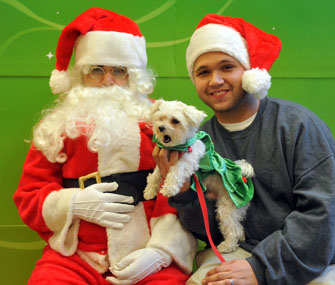
PetSmart Santa Claws Photo Event 

As he has for the past 25 years, Santa will visit PetSmart stores nationwide and in Canada and Puerto Rico this December to pose with pets for the holidays. The events have been taking place on the weekends from 11 a.m. to 4 p.m. (check your local store to confirm times).
The photo package includes a 4x6 photo with a collectible holiday frame for $9.95. For each package purchased, PetSmart will donate $5 to participating local animal welfare groups. In 2011, the event raised nearly $865,000 for more than 2,700 organizations.
How You Can Help: Pack up your pets and head to PetSmart for a holiday photo shoot!


Iams
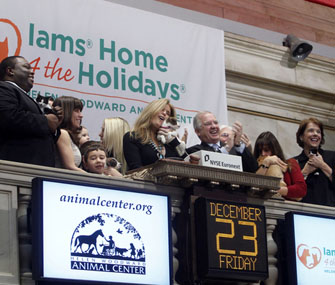
Iams Home 4 the Holidays

Now in its 14th year, Iams Home 4 the Holidays partners with the Helen Woodward Animal Center and shelters across the United States in a mission to get pets adopted. Last year, the program helped 1.2 million pets find homes. From Oct. 1, 2012, until Jan. 2, 2013, Iams will work with partner shelters to encourage adoptions by offering a food donation to the shelter for every new pet adopted. And, for consumers not in the position to adopt a pet, there are other ways to help as well.
How You Can Help: For every specially marked package of Iams pet food purchased during the campaign, Iams will donate a bowl of food to a participating shelter. You can also visit Iams’ Facebook page to “like” and “share” specific photos to trigger more donations.

Healthy Paws Pet Insurance & Foundation’s “Every Quote Gives Hope” Holiday Donations

For every insurance quote it delivers between Nov. 22 and Dec. 25, Healthy Paws Pet Insurance & Foundation will give pet adoption organizations throughout the U.S. a $350 grant. The grants are used by these organizations specifically for life-saving vaccines, spay/neuter surgeries and advanced medical treatments for homeless pets in their care. 
How You Can Help: If you’ve been meaning to look into pet insurance, now’s a great time to do so. Visit Healthy Paws’ website for a free, no-obligation pet insurance quote and Healthy Paws will make a $350 donation to an organization in its network.

Petco Foundation Tree of Hope Campaign

Each year, the Petco Foundation hosts its Tree of Hope donation drive, which takes place from Nov. 12, 2012, until Jan. 6, 2013. Consumer donations go directly to local animal welfare groups in the areas where the donations are made. The funds support these organizations’ work for animals in need through adoption, spay/neuter and training.  
How You Can Help: Head into any Petco store, Unleashed by Petco or go online to make a donation.


Halo
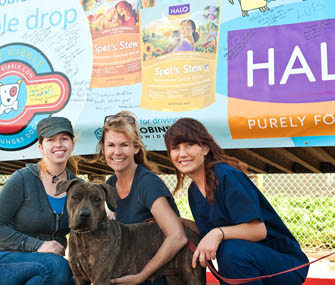
Halo, Purely for Pets and Freekibble.com Holiday Kibble Drop

For the second year in a row, Halo, Purely for Pets and Freekibble.com are conducting their annual Holiday Kibble Drop, where they send semi trucks across the United States loaded with food for pets in need. This year, they’re stopping in 14 cities throughout December, donating more than 500,000 meals to give shelter pets nutritious meals for the holidays and beyond.
How You Can Help: Visit Freekibble.com every day, year-round, to answer a pet-related trivia question. Right or wrong, each question answered triggers a donation of 10 pieces of Halo Spot’s Stew kibble. 


All information from Vet Street. 

  • Digg
  • Del.icio.us
  • StumbleUpon
  • Reddit
  • RSS

Make Your Senior Pet's Golden Years Healthy


When you have an older pet, the most important thing to remember is this: Dying isn’t optional, but suffering often can be.

In other words, don’t assume that a sick or elderly pet can’t enjoy many weeks, months or even years of pain-free, comfortable and joyful living. And your veterinarian can help make that possible, because we understand why that’s important, and we know how to make it happen. Working with your veterinarian to help a pet in the twilight of life will add a glow that will make the time precious for you and your pet both.


Start With a Veterinary Visit
To help your older pet enjoy a high quality of life, you’ll need to make sure his health problems are addressed. That starts with a complete physical, which likely will include basic diagnostic testing. The tip-of-the-nose-to-tip-of-the-tail exam your veterinarian provides will also include a dental exam and a careful evaluation of all tests for signs of problems in vital organs such as the kidneys
After the check-up — and older pets should get them twice a year — you and your veterinarian will go over the results and set priorities for care. In many older pets, years of “deferred maintenance” when it comes to dental care have resulted in broken, rotting teeth and infected gums. I’ve seen cases that looked as if a blowtorch were passed over the pet’s gums. These pets are in constant pain, and are often not eating well. These urgencies and emergencies must be addressed, and you may be shocked at how much happier your pet seems once they have been.
Follow Up With Home Care
Once your pet’s most urgent health problems have been addressed, you and your veterinarian can work on a plan of supportive care, much of which you can provide relatively easily at home.

·         Pain management is essential. Older pets, like older people, are often dealing with pain that comes from arthritis. There are changes you can make at home — adding litter boxes on each floor, providing soft pet beds, even stair steps to help pets onto furniture — but the biggest impact will come from medical and lifestyle changes. If your pet is overweight, you must trim him down to relieve pressure on the joints — and your veterinarian can help with that! Supplements such as glucosamine and omega-3 fatty acids may also help, and when it comes to prescription care, your veterinarian can provide a medication or combination of medications that will relieve chronic pain

·         The fluids need to flow. Many older pets struggle with hydration. In some cases that’s because it hurts to move, making getting to the water bowl more trouble than it’s worth. Pain management will help these pets, and so will making water more accessible and appealing. I love pet drinking fountains, and can’t recommend them enough. Providing pets with a constant supply of fresh flowing water is an easy way to encourage more fluid intake. Your veterinarian can also tailor recommendations to your pet, such as switching to moist food (which has more water content). For many older pets — especially cats — giving fluids at home gives struggling kidneys a needed boost.

·         Dental care should be daily. Once your veterinarian has fixed the painful problems in your pet’s mouth, be sure to keep the good health going with daily oral care. While brushing is ideal, it’s not the only thing that can help. Talk to your veterinarian about “good, better, best” options, including oral rinses and chews.

It’s up to every one of us not to take any day for granted, and that includes making sure our time with our pets is the best it can be. Your veterinarian wants to help make that happen for you and your pet.

All information from Vet Street. 

  • Digg
  • Del.icio.us
  • StumbleUpon
  • Reddit
  • RSS