Powered by Blogger.
RSS

What is this lump??


There it is… that sinking feeling the moment you feel that weird lump on your precious pet’s skin. The questions start filling your mind… What is this? How long has it been there? Does it hurt? Will it go away? Should I see my vet right away?….Is it….CANCER???
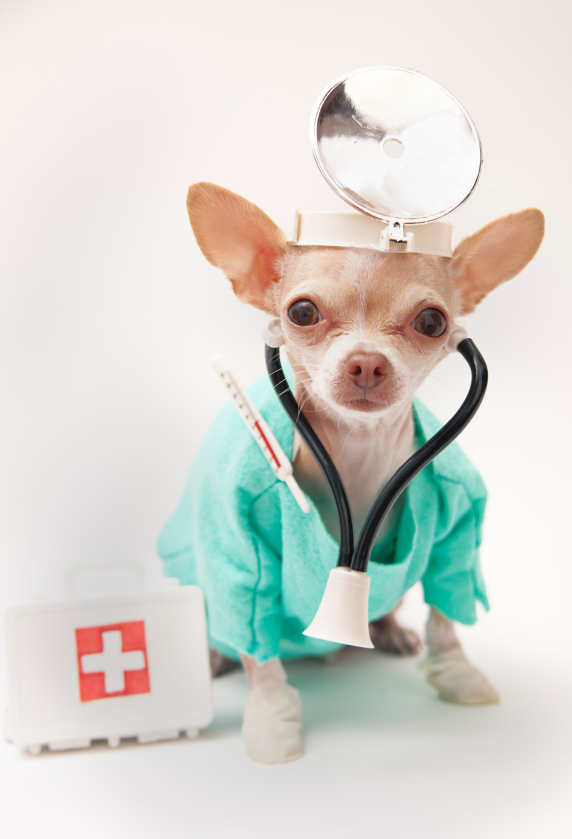
 
From the moment you notice a weird lump, or anything abnormal about your pet, it is important to go ahead and talk to your veterinarian about it. The first step can be as simple as picking up the phone to have a chat with your veterinarian. Tell your doctor that you found something abnormal, the location, and how long you’ve noticed it.
 
Just like your description of the lump via phone cannot replace seeing and touching the lump, a veterinarian cannot make a definitive diagnosis based on a physical exam alone. Additional testing is the only way to determine the nature of the lump. Sometimes, testing can be as simple as inserting a small needle into the lump and obtaining a few cells. Your veterinarian may ask you a series of questions about your pet’s overall health. For example, “Is Fido eating and drinking normally?” or “Does the lump seem to cause any discomfort or worry?” Of course, your veterinarian cannot magically see through the phone line, despite your best description. A physical exam is likely necessary. There is no second-best for seeing and touching an abnormality. The skilled eyes and hands of your veterinarian are trained to pick up on very subtle deviations from the norm. He or she can tell you if further testing is necessary or if monitoring for the time-being is ok.
 
Your veterinarian or a veterinary pathologist can look at these cells to try to determine the nature of the lump. This works well for certain types of tumors and pockets of infection called abscesses. The best way to diagnose a lump is to have the lump biopsied or removed and submitted for histopathology. A veterinary pathologist will look at the structure of the tissue submitted and how the cells are behaving within the tissue to make a diagnosis. Having an actual diagnosis will answer all of those questions that ran through your head when you first found that awful lump.
 
A lot of the time, lumps are diagnosed as benign tumors. Fatty tumors, called lipomas, are very common. However, sometimes the results do show that Fido’s lump is cancer. This is a terrible feeling, one that stirs several more questions. How long will my pet live? Is he uncomfortable? What can we do about this? Should we let him go?
 
Based on the type of cancer diagnosed, your veterinarian can answer most of these questions. Your vet can give you a prognosis (the amount of time that your pet is expected to live). She will also be able to council you on signs that your pet is not feeling well. Additionally, your veterinarian will be able to suggest a plan for moving forward. Some cancers can be cured with complete surgical removal of the tumor and the pet’s lifespan is not affected. Sometime, however, chemotherapy is option. Of course, sometimes, due to the nature of the cancer and its expected level of aggressiveness, humane euthanasia may be discussed.
 
The word chemotherapy is a very frightening word. We have all been touched by people that have undergone chemotherapy and do not want to put our pets through something so harsh. The goal of chemotherapy in the veterinary world is to make your pet feel better. Chemotherapy is completely palliative in the veterinary medicine. It will not cure your pet’s disease, it will help give him time with family in which he feels better than he does presently. Every patient responds differently, but it is something that should be discussed if it is an option for your pet.
 
Whether your pet’s lump is benign or malignant, that first abnormal discovery is very scary. Don’t be afraid to talk to your veterinarian. Don’t be afraid to have a diagnosis. Knowledge of what’s going on with your pet can help you better prepare for the future. Only you and your veterinarian know what is best for your pet.


  • Digg
  • Del.icio.us
  • StumbleUpon
  • Reddit
  • RSS

Crate Training


Using a crate to raise a puppy is the kindest and fairest method of all, because it provides a puppy with a lesson for life. Not only does a puppy learn when to and where not to relieve himself, but he also grows up feeling relaxed, safe and secure in confinement.

Though the first lesson is for puppies, the second is forever.
Dogs who are comfortable in crates can be more safely transported, and they are generally more relaxed if they have to stay at the veterinarian’s. Finally, crates provide pets with safe, secure housing in an emergency, such as during a natural disaster.

Bottom line: The expanded use of crates, once just for shipping by air, has been one of more significant advances in modern dog training and care.

Most dogs learn quickly that a crate is “a room of his own,” and as long as the pet isn’t left crated for extended periods of time, the crate is a tool that really and truly works well for all.

So how does a crate “magically” house-train a puppy?

Crate-training limits a puppy's options to three: He's either empty and playing in the house, he's in the crate and "holding it" because he doesn't want to sit in his own waste, or he's at the place you've chosen for him to relieve himself. A key to successful crate-training is to purchase a crate that's large enough to allow the puppy to turn around, but not so roomy that he can do  his business in one corner and take a nap in the other.

It's also important that puppies are not left in their crates for extended periods of time. Puppies need to relieve themselves after they wake up, after they eat or drink, or after a period of play. Set up a schedule to accommodate his needs as you work to mold behavior; young puppies, especially small breeds or mixes, can't go very long without eating, drinking, sleeping or relieving themselves.

A good rule of thumb: Puppies can hold it as long as their age in months. A 2-month-old pup can hold it in a crate for about two hours, for example.

When the puppy walks into the crate, praise him and give him a toy or treat. But don’t make a huge fuss over his walking in — be calm and matter-of-fact about it. Your puppy should associate positive experiences with the crate, so he comes to think of it as a natural place to relax.

Let the puppy sleep next to your bed in his crate — sleeping near you speeds the bonding process. When he's young, he may wake you in the night to let you know he needs to go outside. But as he grows older, he should be able to make it through the night. Then, as soon as he's awake in the morning, lead him to the chosen outside spot. When he goes, praise him thoroughly. Then take him inside for breakfast. Feed him and offer him water, and then take him out for another chance to go. If he goes, more praise and back inside for play. Once he's completely empty, put him in the crate. Ignore the whines and whimpers. If left alone, the puppy will soon be fast asleep and will stay that way until it's time for the next round of out, eat/drink, out, play, crate.

Remember, the goal is for your puppy to become reliable enough to roam free in your house, not to stay in a crate for life. A crate is not a storage container for a dog.

Eventually, your pet will spend more of his time loose in the house under your supervision, and he will start asking to visit his outdoor spot. Don't forget to confirm his early attempts at proper behavior by rewarding him with praise and treats.

If you spot an in-house accident, don't punish your pet. Rubbing his nose in the mess is pointless and mean. If you catch your dog in the act, a stern "no" will suffice, followed by an immediate trip to the yard and praise when he finishes up where he's supposed to. Clean up the inside mess thoroughly, treating the area with an enzymatic solution to neutralize the smell.

With proper crate-training, the number of such incidents will be relatively few, and you'll end up with a dog who is not only reliable in the house, but also confident in his own ability to stay alone when you are gone.

All information in this post is from Vetstreet.

  • Digg
  • Del.icio.us
  • StumbleUpon
  • Reddit
  • RSS

Why does my dog eat grass??


Who hasn’t wondered, “Why does my pet eat grass?” The truth is there isn’t one clear reason. What we do know is that eating small amounts of grass can be a harmless, albeit curious, thing for a perfectly healthy dog or cat to do. But when nibbling turns into gulping great hunks of the stuff — and grassy vomit hits the kitchen tile — it’s time to wonder what’s going on.
Causes
Your vet may consider several reasons your pet is eating grass, including these:

1. Behavioral drives. Pica is a word used to describe eating things that do not serve a biologic or nutritional purpose — such as when a pet eats paper or plastic. It may be that the behavior feels good or there is some other behavioral reason. But a medical issue, such as a neurologic disease, can cause pica, so it shouldn’t be completely written off without discussing with your vet.

2. Nutritional cravings. Even though a dog or cat may be eating a nutritionally complete diet, that doesn't mean that cravings for certain things (such as grass) don't occur.

3. Idiopathic causes. Idiopathic means simply that the veterinarian doesn't know the exact cause. But you should continue to watch the situation.

What To Do at Home

Owners who observe their pets frequently nibbling grass probably don’t need to rush to the emergency room. Rather, they should watch their pets to gain more information about the grass eating. Ask yourself:
  • Does my pet eat grass voraciously?
  • Does he vomit or feel sick afterward?
  • Is there pattern? For example, does it also happen on days when he doesn’t eat all of his food?
If you answer no to the first two, there’s probably no need to raise the issue with your veterinarian. If the answer to either is yes, it’s worth paying attention to No. 3.

Armed with this information, owners can then present their findings to their veterinarians.

What Your Veterinarian Will Do

Your pet’s doctor will begin looking for a medical condition at work in the grass consumption. The goal is to figure out if it is a sign of a minor ailment, a more serious disease, or nothing more than normal albeit slightly eccentric behavior.

Normally the vet will start with the least invasive test and move on to more expensive, more invasive tests as needed (which will depend on the severity of the symptoms). From least to most invasive:
  • Fecal examination (to check for parasites)
  • Blood work: CBC, blood chemistry
  • Urinalysis
  • X-rays
  • Abdominal ultrasound
  • Barium study (a type of x-ray study for examining the intestinal tract)
  • CT scan
  • Endoscopy with biopsies
  • Exploratory laparoscopy with biopsies
Few grass-eaters are likely to have ever suffered an exploratory laparoscopy to surgically look into the contents of an abdomen and biopsy the gastrointestinal tract, but severe symptoms could theoretically lead a veterinarian to decide this is the best approach.

Not every grass-eater has a serious medical problem, though. For many pets who want to sample the lawn, the prescription may be to let them go right ahead. Just make sure the grass is not treated with any chemicals that could be harmful if your pet eats them.

All information in this blog post is from Vetstreet

  • Digg
  • Del.icio.us
  • StumbleUpon
  • Reddit
  • RSS

Traveling with your pet

The number of people who travel with their dogs is growing, and so too are the options for pets on the road. From "ruffing it" at campgrounds to enjoying fabulous four-star hotels, the time has never been better to pack up your pet and go.

Traveling with dogs offers some challenges, but nearly all are surmountable with common sense and creativity. Here’s what you need to know when you’re on the road.
Step 1: Talk With Your Vet
While most dogs come to enjoy riding in the car, many need help getting to that stage. Just like some people, some pets get motion sickness, while in others the problem is anxiety. Some dogs vomit when experiencing motion sickness. Other pets may drool excessively, with copious amounts of saliva drenching the upholstery, or pant uncontrollably. Some pets may do all of these.

Talk to your veterinarian about medications that can help address issues like anxiety and vomiting. For some pets – the anxious ones -- the medication may only be needed while your pet learns to become more comfortable in the car. For those pets with queasy tummies, anti-anxiety and anti-vomiting medication may always be needed when traveling. Your veterinarian can also advise you if medication is not the best option for your dog.

Step 2: Get Your Dog Acclimatized

Teach your dog to enjoy riding by using treats to reward tiny steps such as walking up to the car (treat), getting in (treat), getting into a harness or crate (treat) and then treats for progressively longer rides. Make sure during the learning period that the destination is somewhere she wants to go: A park, a pet-store or business where treats are handed out, or another place where your dog feels comfortable and happy, such as a friend’s house.

If your dog doesn’t seem to be getting more comfortable in the car, talk to your veterinarian about a referral to a veterinary behaviorist who can help.

Step 3: Get the Gear

While many of us remember our dogs riding shotgun, often with his head out the window, safety experts now advise that dogs be secured in the vehicle in a crate or harness. In an accident, a loose dog is a danger to herself, to others in the car and to everyone on the road. It is easy for one accident to turn into many if other drivers have to not only avoid your collision but also a terrified dog. Crates are probably the best means of safe restraint, but if you have a big dog and a small car, a crate likely isn’t an option. Fortunately, the last few years have seen many companies develop car-harness restraints that are not only comfortable for your dog but also work with your vehicle’s seat belts or child-seat anchors.

What about barriers? While these have long been popular in wagons, vans and SUVs, many barriers crumble or collapse under the forward impact of a dog in a crash. If you choose a barrier, be sure it can be secured to the car’s frame and is sturdy enough to hold up in an accident. If not, use a crate or a seat-belt harness.

Once restraint is under control, you’ll need to have food and water dishes and spill-proof containers for both. You’ll also need a leash and a comfortable travel harness or collar, and pick-up bags for cleaning up after your pet. A basic pet first-aid kit is recommended as well, and travel will be easier if you have a book of pet-friendly hotels or a tablet or smart phone app with these listings. Make sure you bring any medication your pet is on, along with what you need to give the pills, such as a pill gun or pill pockets.

And make sure your pet has an ID tag with your cell phone number on it. Even better: An ID tag and a microchip -- and make sure your pet’s chip is registered and the information is current.

4. Don’t Forget to Take Breaks

Walk your pet well before you hit the road to give her a chance to relieve herself. Once you’re en route, schedule potty breaks at least every few hours. Offer water at these breaks, and keep your pet’s feeding schedule as close to normal as possible. If your pet is on medication for nausea or anxiety, ask your veterinarian when to give the pills – with meals, on an empty stomach, an hour before you leave and so on.

Even if your dog knows to come when called in your own neighborhood, keep your pet on leash when traveling. Many pets get confused in new places and situations and may not be reliable off-leash, even where it’s allowed. And be responsible: Not only should you pick up after your pet but you should also prevent your pet from bothering others, whether by barking in a hotel room or running up to people who may not like dogs.

And most important: Remember that even on a day that’s merely “warm” the temperature in a car can reach dangerous levels within minutes – well over 100°F – even if the windows are partially opened.

Traveling with a dog has never been more popular, and never have there been so many products to help you and hotels to welcome you. Take advantage of dog-friendly America and you’ll both be happier.

All information in this post is from Vetstreet

  • Digg
  • Del.icio.us
  • StumbleUpon
  • Reddit
  • RSS

Vaccines: FAQ


Q:   What are vaccines?

A: Vaccines are health products that trigger protective immune responses in pets and prepare them to fight future infections from disease-causing agents. Vaccines can lessen the severity of future diseases and certain vaccines can prevent infection altogether. Today, a variety of vaccines are available for use by veterinarians.
Q: Is it important to vaccinate?

A: Yes! Pets should be vaccinated to protect them from many highly contagious and deadly diseases. Experts agree that widespread use of vaccines within the last century has prevented death and disease in millions of animals. Even though some formerly common diseases have now become uncommon, vaccination is still highly recommended because these serious disease agents continue to be present in the environment.

Q: Which vaccines should pets receive?

A: When designing a vaccination program, veterinarians consider the pet's lifestyle, related disease risks, and the characteristics of available vaccines. "Core vaccines" (e.g., rabies, feline panleukopenia, feline viral rhinotracheitis, feline calicivirus infection, canine distemper, canine parvovirus infection, and canine hepatitis) are recommended for most pets. Additional "non-core vaccines" (e.g., feline leukemia, canine kennel cough and other vaccines) may be appropriate based on the pet's particular needs.

Q: How often should pets be revaccinated?

A: Veterinarians have traditionally vaccinated annually; however, they are now learning that some vaccines induce immunity that lasts less than one year, whereas others may induce immunity that lasts well beyond one year. The AVMA recommends that veterinarians customize vaccination programs to the needs of their patients. More than one vaccination program may be effective.

Q: How does my pet's lifestyle affect its vaccination program?

A: Some pets are homebodies and have modest opportunity for exposure to infectious disease, whereas others have a great deal of exposure to other pets and/or wildlife and infectious disease by virtue of their activities. Still other pets live in geographic areas that place them at greater risk for contracting some infectious diseases. Differences in lifestyle illustrate the importance of customizing a vaccination program to individual patients.

Q: Are there risks associated with vaccination?

A: Vaccines have protected millions of animals from illness and death caused by infectious diseases. All medical procedures, however, carry with them some risk. Fortunately, in the case of vaccination, serious adverse responses are very infrequent. Veterinarians minimize risk by carefully selecting vaccines on the basis of a pet's individual needs and by choosing appropriate injection sites. In an effort to find ways to prevent even these limited numbers of adverse responses from occurring, the AVMA is working with government and industry to redefine how information regarding adverse responses is gathered, analyzed, and disseminated.

Q: Is serologic testing useful to evaluate immunity to some diseases?

A: Theoretically, tests that measure antibody response (i.e., serologic titers) may help veterinarians determine the need for revaccination in some cases. Unfortunately, veterinarians cannot be certain that a specific concentration of antibody is always protective or that a lower concentration leaves an animal unprotected.

All information in this post is from the AVMA website. 

  • Digg
  • Del.icio.us
  • StumbleUpon
  • Reddit
  • RSS

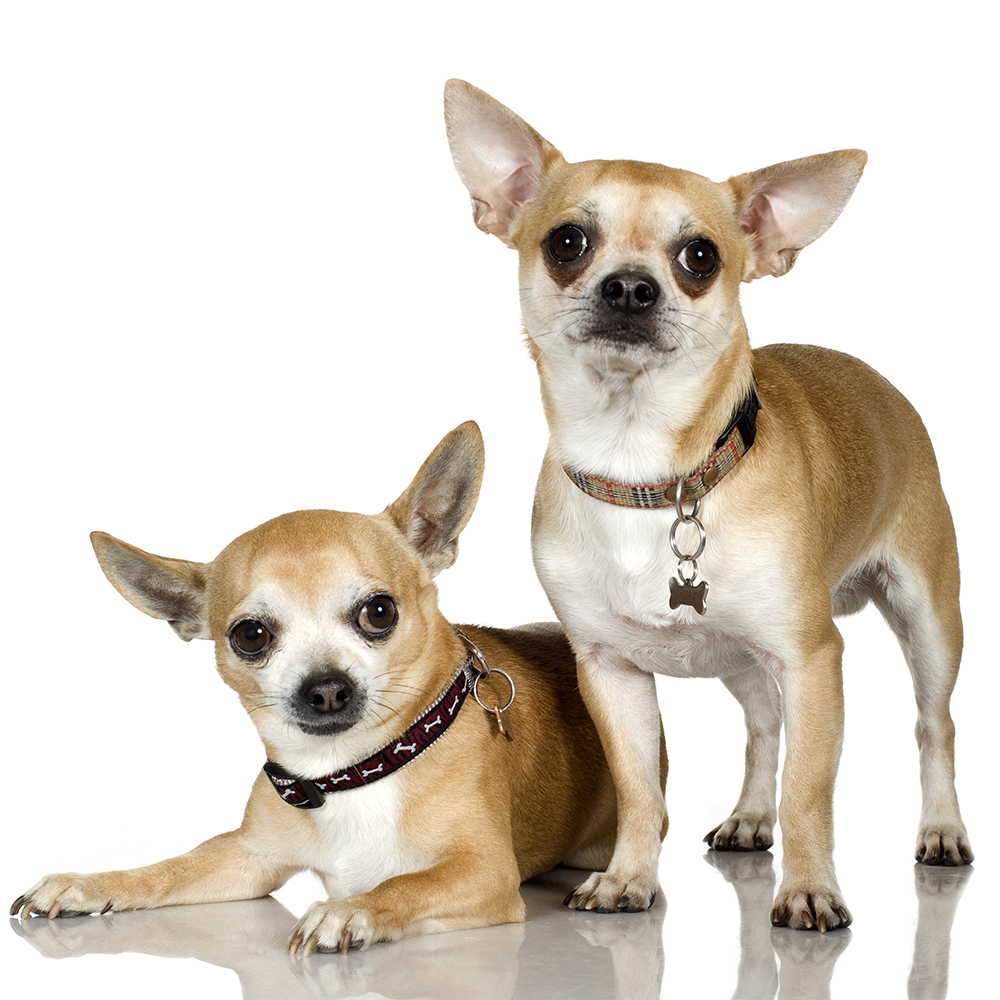
Breeds: Chihuahua!!


First discovered in Mexico, the Chihuahua is best known for being the smallest dog breed in the world. Extremely loyal to its owner, the breed has recently become a popular culture icon in the United States, most notably Paris Hilton's Chihuahua, Tinkerbell.

Physical Characteristics


The Chihuahua’s coat can be long with soft and straight hair, smooth with glossy and soft hair, or wavy with fringed ears. Its graceful body is compact and small, although slightly long in proportion to its height. The Chihuahua also bears a resemblance to the terrier in its alertness, attitude and lively expression. As far as its appearance, the breed can be found in solid black, solid white, with spots, or in a variety of patterns and colors.

Personality and Temperament


The Chihuahua is known for its varied temperament. For example, while the Chihuahua is reserved towards strangers, it is friendly with pets and other household dogs. The dog may also try to act protective, but this boldness is generally displayed as barking and is, therefore, not very effective as a guard dog. However, this sassy dog has become a favorite among toy dog lovers, especially for its extreme devotion to its master.

Care


As the Chihuahua is generally an indoor dog, it is not fond of the cold, preferring instead warmer regions. For the smooth Chihuahua variety, coat care is minimal, while the long-coated dog needs to be brushed twice or thrice a week. The Chihuahua's exercise needs can be met simply by running around the house, although it enjoys exploring yards or going for a short leash-led walks.

Health


The Chihuahua, which has an average lifespan of 14 and 18 years, is known to suffer from some minor health ailments such as keratoconjunctivitis sicca (KCS), hypoglycemia, pulmonic stenosis, patellar luxation, and hydrocephalus. It is also susceptible to some severe health issues, including molera -- a hole in the Chihuahua's skull, occurring when bones in the fontanel are not firmly knit together.

  • Digg
  • Del.icio.us
  • StumbleUpon
  • Reddit
  • RSS

Does Your Pet Have Bad Breath??


Simple chronic halitosis. Whether we’re talking humans or pets, bad breath is a big deal. It’s a stinky problem, but take heart. In most cases there’s a lot you can do to keep bad breath at bay.


Causes

There are a variety of causes for bad breath in pets, these include:
1. Periodontal disease. It’s by far the most common cause of bad breath in pets. Studies show that after the age of 3 years, 80 percent of dogs and cats will have signs of periodontal disease. The cause of the offensive odor in these cases is the bacteria that coalesce as plaque and cause irritating gingivitis. As plaque matures and periodontal disease progresses, more destructive bacteria come into play. Periodontal disease is a painful condition that can lead to tooth loss and damage to organs like the heart and kidneys.

2. Teething. Kittens and puppies often have ick breath when they are teething. Kittens, especially, seem prone to the problem, which typically lasts only a couple of months. What happens is that bacteria collects at the gumline as baby teeth are edged out by budding adult teeth.

3. Oral disease. In addition to gum disease a host of other oral diseases can cause bad breath. These include stomatitis, a common feline condition that causes painful inflammation of the gums and mouth tissues; oral masses, which include both cancerous and benign growths; and gingival hyperplasia, a condition in which the gums overgrow, creating bumps and deep crevices where bacteria proliferate.

4. Gastrointestinal disease. If the esophagus, stomach, or intestines are sick, they can make for stinky breath. It’s a far less common reason for halitosis than periodontal disease, however.

5. Metabolic disease. Diseases that affect the body’s metabolic balance or allow for the presence of abnormal levels of certain toxins in the blood can yield impressive mouth odors. Kidney disease is the most well-known of these. The end-stage process called uremia causes a characteristically sour-smelling breath.

What To Do at Home

Taking an active role in your pet's dental care can help keep foul breath under control.
1. Brush your pets teeth. All pets — dogs and cats alike — should be trained early on to accept simple tooth brushing as part of their daily (at the very least, weekly) routine.

2. Plaque-reducing treats can be helpful, but they are not all created equal. Ask your veterinarian for a recommendation.

3. Water additives promise fresh breath, but do they deliver? It seems some do. Ask your veterinarian for advice before buying the first kind you spy in the pet store.

What Your Veterinarian May Do

When you take your pet to the vet, here are things the doctor may do:
1. History. Most veterinarians will start by asking a few questions to understand the history of the bad breath. When did you first notice it? Has it changed? How has you pet been otherwise?

2. Physical examination. Examining the whole body, not just the mouth, is a crucial part of the process. The oral examination, however, is by far the most important aspect of bad breath assessment.

3. Anesthetic evaluation. Unfortunately, a thorough assessment of a pet’s oral cavity is almost always impossible without sedation or anesthesia. Once the pet is sedated, each individual tooth can be probed, x-rays can be taken, and other structures in the mouth can be examined.

4. Dental cleaning. Dental cleaning is indispensable when combatting bad breath. That’s because ridding the teeth (and area under the gumline) of plaque bacteria goes a long way toward improving the health of the teeth and gums, and therefore treating bad breath.

5. Biopsy. It may sometimes be necessary to obtain a sample of apparently abnormal tissue to determine its origins before definitive treatment can be initiated. This tends to be the case when oral masses are involved.

Treatment

Treatment of halitosis depends wholly on the underlying cause. Because most halitosis is born of periodontal disease, treatment for bad breath tends to rely heavily on at-home care in addition to professional dental cleanings. Talk with your vet about what is the best action plan for your pet.

All information in this post is from VetStreet

  • Digg
  • Del.icio.us
  • StumbleUpon
  • Reddit
  • RSS